Xicheng
The Vibe
Controlled elegance with quiet power—where government sedans glide past cyclists emerging from hutong alleys. The atmosphere feels deliberately composed, history-conscious yet future-focused. You'll encounter banking executives in dark suits, elderly residents practicing tai chi by Shichahai Lakes, and tour groups photographing imperial architecture. Security is omnipresent but discreet. The pace slows around the hutongs where courtyard life continues as it has for generations. Best explored by bicycle through the lakeside neighborhoods—respect the sensitivity of government areas and embrace the parks where locals gather for morning exercise and evening dancing.
Description
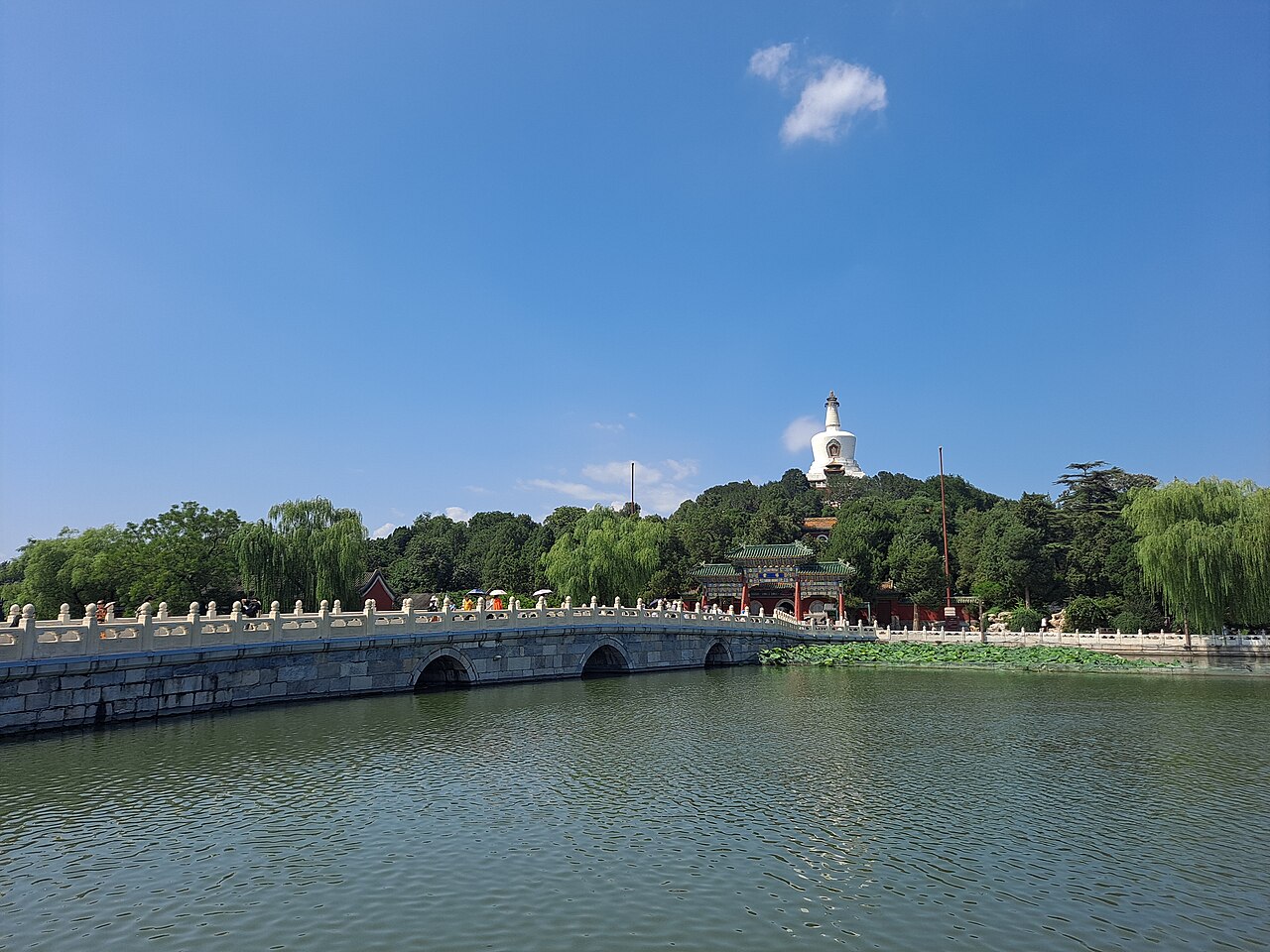
Beijing's power center where imperial history meets modern governance, anchored by the Zhongnanhai leadership compound and Financial Street's gleaming bank towers. The district preserves layers of dynastic legacy: Beihai Park's island palace (established 1166) where Kublai Khan once ruled, the White Pagoda Temple, and Prince Gong's Mansion—reportedly the inspiration for the classic novel Dream of the Red Chamber. Narrow hutongs around Shichahai Lakes shelter courtyard homes dating to the Qing Dynasty, while Financial Street emerged in the 1990s as China's Wall Street, housing the central bank and major financial institutions. The juxtaposition is striking—centuries-old temples exist blocks from glass skyscrapers managing trillions in assets.
Neighborhood Stats
Popular With
- Officials
- Bankers
- History Buffs
- Tourists
Key Attributes
- Political
- Financial
- Historic
- Governmental
Food Scene
Fangshan Restaurant inside Beihai Park serves imperial Qing Dynasty banquet cuisine in a historic waterside setting—reserve for the elaborate multi-course experience. The hutongs around Shichahai hide family-run establishments serving zhajiangmian (noodles with soybean paste) and traditional Beijing snacks. Financial Street caters to expense-account dining with upscale Cantonese and Sichuan options in hotel restaurants. For authentic Beijing flavors, venture to small dumpling shops and baozi vendors tucked along hutong lanes where residents have eaten for decades. The dining scene splits distinctly—formal imperial recreations and business restaurants versus humble neighborhood eateries preserving home-style cooking.