Lagos Island
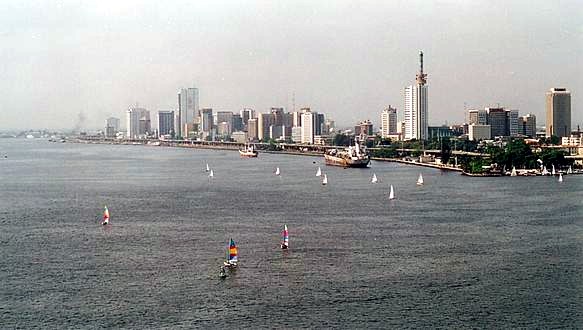
The Vibe
Relentless commercial energy where every inch serves commerce. Market traders shout over blaring speakers, okadas (motorcycle taxis) weave through pedestrian crowds, and the air smells of fabric dye, grilled plantain, and ocean salt. You'll encounter commodity traders, textile merchants, civil servants, and hustlers navigating the organized chaos. Mosques punctuate the day with call to prayer. The heat intensifies off concrete and corrugated iron. This isn't tourist Lagos—it's working Lagos at full intensity. Come early to beat the crowds, dress conservatively for mosque areas, bring cash, and prepare for sensory immersion.
Description
Lagos Island is where the city began in the 15th century, evolving from a Yoruba fishing settlement to Portuguese trading post, then British colonial headquarters. The Brazilian Quarter preserves Afro-Brazilian architecture from returnee freed slaves who arrived in the 1800s, while Tinubu Square honors the powerful 19th-century trader Madam Tinubu. The UNESCO-recognized Jama'at Mosque dates to the 1890s, its spires rising above chaotic streets. Balogun Market sprawls across blocks as one of West Africa's largest textile markets. Colonial-era buildings like the old Secretariat stand weathered but proud. This is maximum-density urbanism—the original Lagos before the mainland sprawl, where history, commerce, and daily survival intersect on crowded streets.
Neighborhood Stats
Popular With
- Traders
- Workers
- History Buffs
- Adventurous Tourists
- Commercial Shoppers
Key Attributes
- Historic
- Commercial
- Dense
- Markets
- Authentic
Food Scene
Street food dominates—boli (roasted plantain) vendors cluster near busy junctions, while suya spots grill spiced beef skewers through the afternoon. Amala stalls serve Yoruba classics to workers on lunch breaks. The eating here is functional, affordable, and authentically local rather than destination dining. Small bukkas (local eateries) offer jollof rice, egusi soup, and pounded yam. Fresh coconut sellers machete open cold nuts for instant refreshment. For sit-down options, venture to nearby Marina or cross to Victoria Island where Lagos's restaurant scene concentrates. The island feeds the masses—quick, filling, and priced for daily workers navigating the hustle.