El Carmen
The Vibe
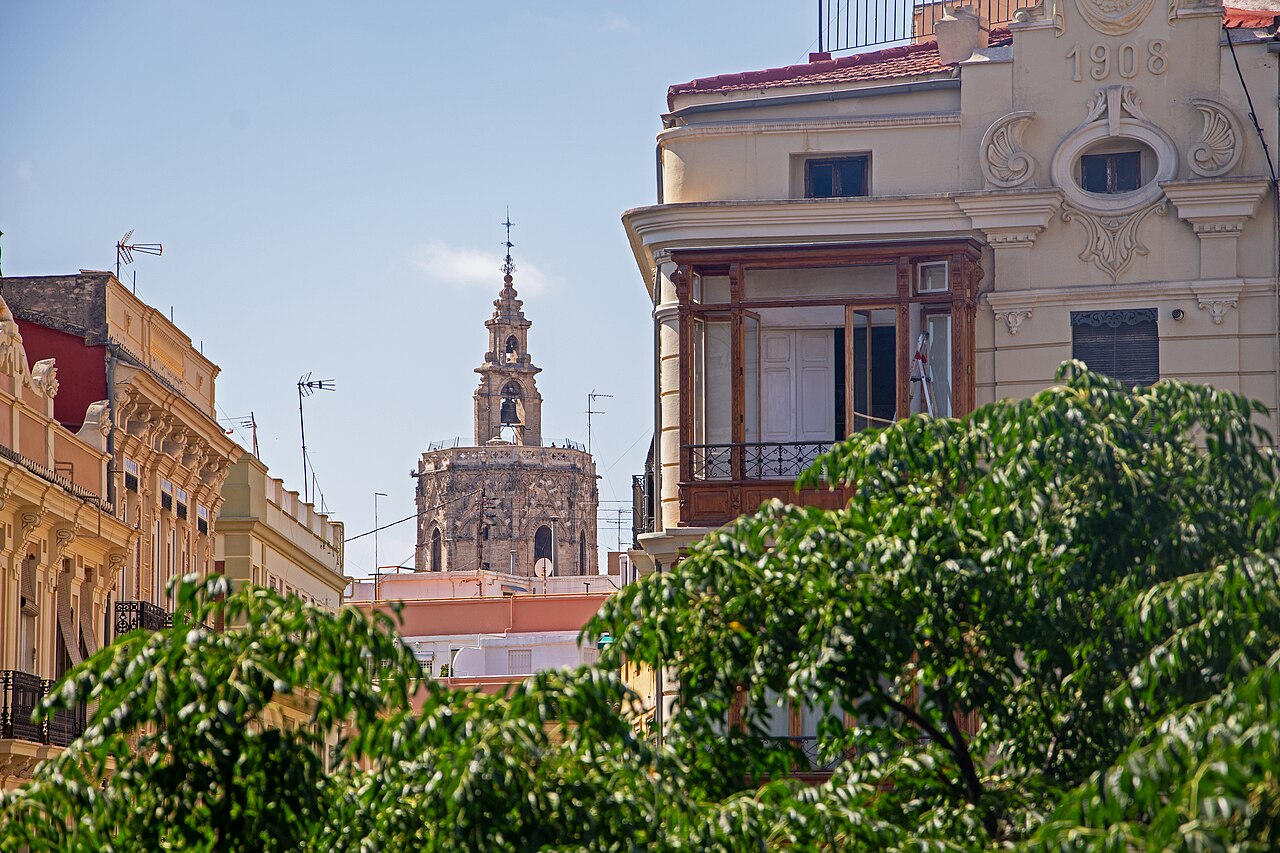
Medieval bohemia where centuries collide—Erasmus students sip vermouth at sunlit plazas surrounded by peeling frescoes and palace doorways. Days feel timeless and unhurried; nights pulse with Spain's latest-dining culture. The sensory experience shifts street by street: jasmine spilling from balconies, cigarette smoke mixing with orange blossom, sudden bursts of laughter from hidden courtyards. Murals transform crumbling walls into open-air galleries. Sunday mornings belong to café con leche and newspapers; Saturday nights don't start until midnight. Wear shoes suitable for centuries-old cobblestones. Wander without maps—getting lost reveals the neighborhood's secrets.
Description
Valencia's oldest quarter, a medieval labyrinth enclosed by monumental 14th-century gates—Torres de Serranos (1398) and Torres de Quart (1444), still bearing French cannonball scars from the Napoleonic Wars. The twisted streets follow Moorish-era patterns laid over Roman foundations, reorganized after the 1238 Christian reconquest. By day, local grandmothers with shopping trolleys navigate lanes once forming the Jewish quarter along Carrer de la Llei Vella, while students from nearby university faculties fill terrace cafés. After dark, Gothic palaces transform into cocktail bars in Spain's most atmospheric nightlife quarter. IVAM (Institut Valencià d'Art Modern, 1989) anchors the contemporary art scene, while international street murals blanket every available wall—an outdoor gallery cultivated since the 1990s. The nearby Mercado Central (1928), an Art Nouveau iron-and-ceramic cathedral, supplies the quarter's kitchens.
Neighborhood Stats
Popular With
- artists
- students
- travelers
- history-lovers
Key Attributes
- historic
- arts
- nightlife
- walkable
- cultural
Food Scene
Casa Montaña (Carrer de Josep Benlliure 69, just outside the quarter) serves legendary Valencian tapas since 1836—order the house-cured anchovies and anything from the daily blackboard. La Pepica (Passeig de Neptú, nearby beachfront) has served paella since 1898, once frequented by Hemingway. Within El Carmen's medieval core, traditional horchaterías and century-old ceramic-tiled bars dominate—vermouth on tap, boquerones, and clóchinas (local mussels) from Mercado Central. Ubik Café (Carrer de la Beneficència) offers all-day brunch in bohemian surroundings. The neighborhood favors authentic tapas culture over destination dining—small plates, shared tables, and natural wine flow until late into Valencia's famously warm nights.