Ciudad Vieja
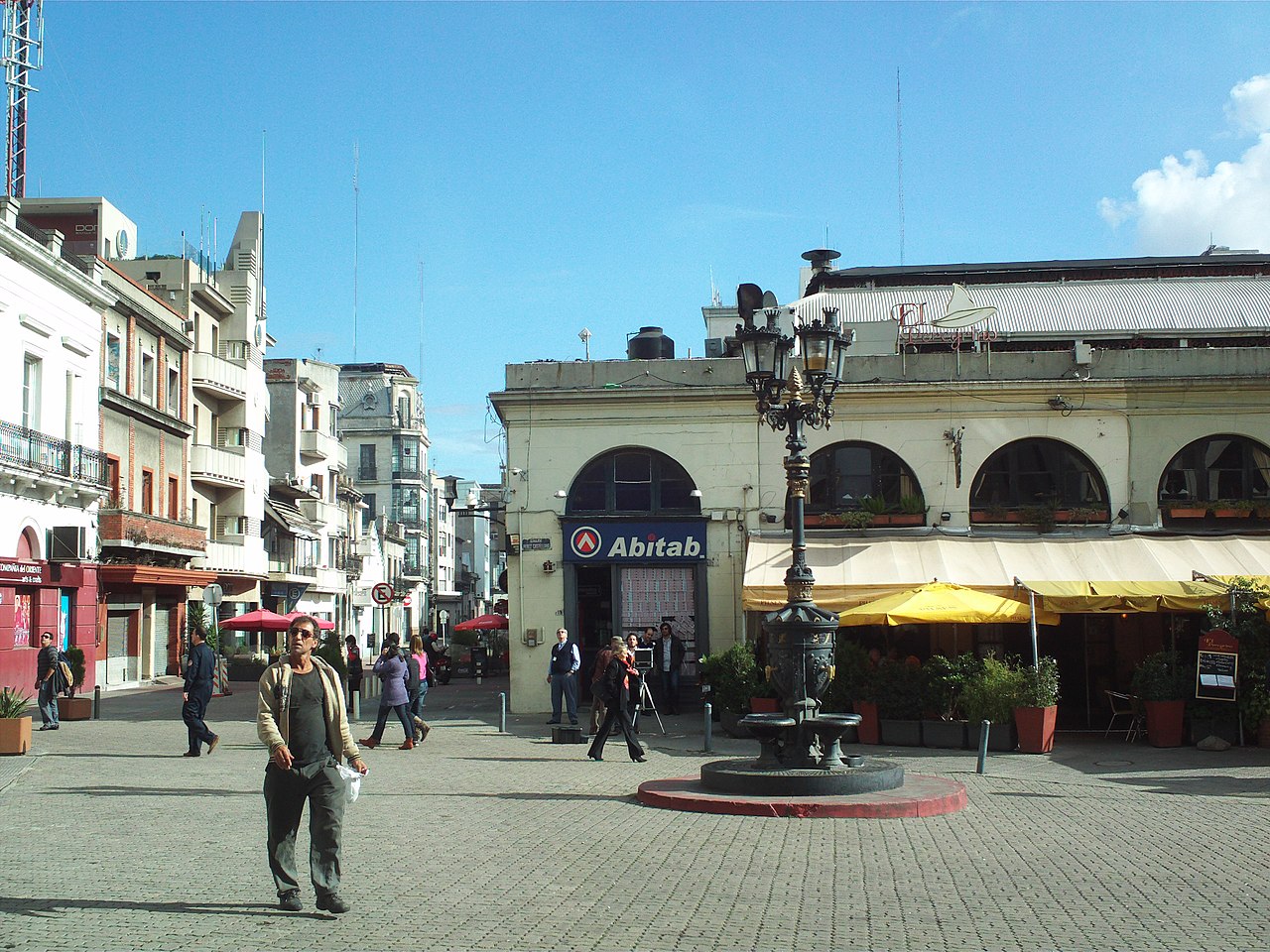
The Vibe
Montevideo's colonial peninsula — Mercado del Puerto's charcoal fires under the wrought-iron dome, Bar Roldós serving medio y medio since 1893, and an art deco skyline floating between the river and the harbour
Description
Ciudad Vieja — the Old City — is Montevideo's historic peninsula district: the original colonial settlement founded by the Spanish in 1724 on a promontory between the Río de la Plata and the inner harbour, encircled on three sides by water and defined by the grid of colonial, neoclassical, and Art Deco buildings that make this one of South America's most architecturally coherent historic centres. The neighbourhood contains the highest concentration of Montevideo's significant buildings: the Cabildo (1804), the Teatro Solis (1856, the city's opera house and the oldest major theatre in Uruguay), the Palacio Taranco (1908, now a museum of decorative arts), and the labyrinthine Mercado del Puerto (1868), the wrought-iron market building that serves as the city's most celebrated culinary institution. Mercado del Puerto is Ciudad Vieja's defining institution: a spectacular mid-19th-century cast-iron market hall originally built to provision ships entering the port, now serving as Montevideo's most exuberant restaurant experience. The interior is occupied by a dozen parrillas (wood-fire grill restaurants) whose enormous charcoal fires, hanging carcasses of beef, and clouds of smoke create a theatrical setting unique in the gastronomic world. On weekends, the market operates at its most intense: parrillas open simultaneously, creating a competition of smoke and fire that attracts Montevideo residents and international visitors in equal measure for the ritual consumption of asado (grilled beef), chorizos, and blood sausages. The neighbourhood has undergone a gradual creative renaissance since the 2000s, as artists, architects, and young professionals have been attracted by the quality and relative affordability of Ciudad Vieja's heritage buildings, establishing galleries, studios, craft-beer bars, and boutique hotels in spaces that had been derelict for decades. Bar Roldós (founded 1893, on the corner of Pérez Castellano and Ciudadela) is Uruguay's oldest continuously operating bar — a narrow, tile-floored cantina that has served medio y medio (half white wine, half sparkling wine) and sandwiches through every government the country has had.
Neighborhood Stats
Popular With
- foodies
- history-enthusiasts
- culture-seekers
- couples
- architecture-lovers
- first-time-visitors
- backpackers
Key Attributes
- historic-centre
- Mercado-del-Puerto
- colonial
- asado
- Art-Deco
- Bar-Roldós
- Teatro-Solís
- heritage
Food Scene
Mercado del Puerto (Rambla 25 de Agosto y Piedras) is Uruguay's most celebrated eating institution — twelve parrillas competing in clouds of wood-smoke, with La Parrillada del Mercado and El Palenque among the most established operators, serving the canonical Uruguayan asado: tira de asado (short ribs), entraña (skirt steak), morcilla (blood sausage), and chorizos. Bar Roldós (Pérez Castellano 1390, corner Ciudadela) is Uruguay's oldest bar (1893) and the birthplace of medio y medio — the mixture of dry white wine and sparkling wine that became Uruguay's signature aperitif. Café Bacacay (Washington 1441) is a beloved City neighbourhood restaurant serving contemporary Uruguayan cuisine with strong Italian and Spanish influences, in a 19th-century townhouse atmosphere.