Bastille
The Vibe
Revolutionary energy channeled into nightlife and creative enterprise—the neighborhood maintains working-class spirit despite modernization. Weekend nights bring crowds to bars and clubs; Sunday mornings belong to the market. The Coulée Verte provides peaceful escape above the bustle. Bastille rewards exploration; side streets reveal neighborhood character beyond nightlife strips.
Description
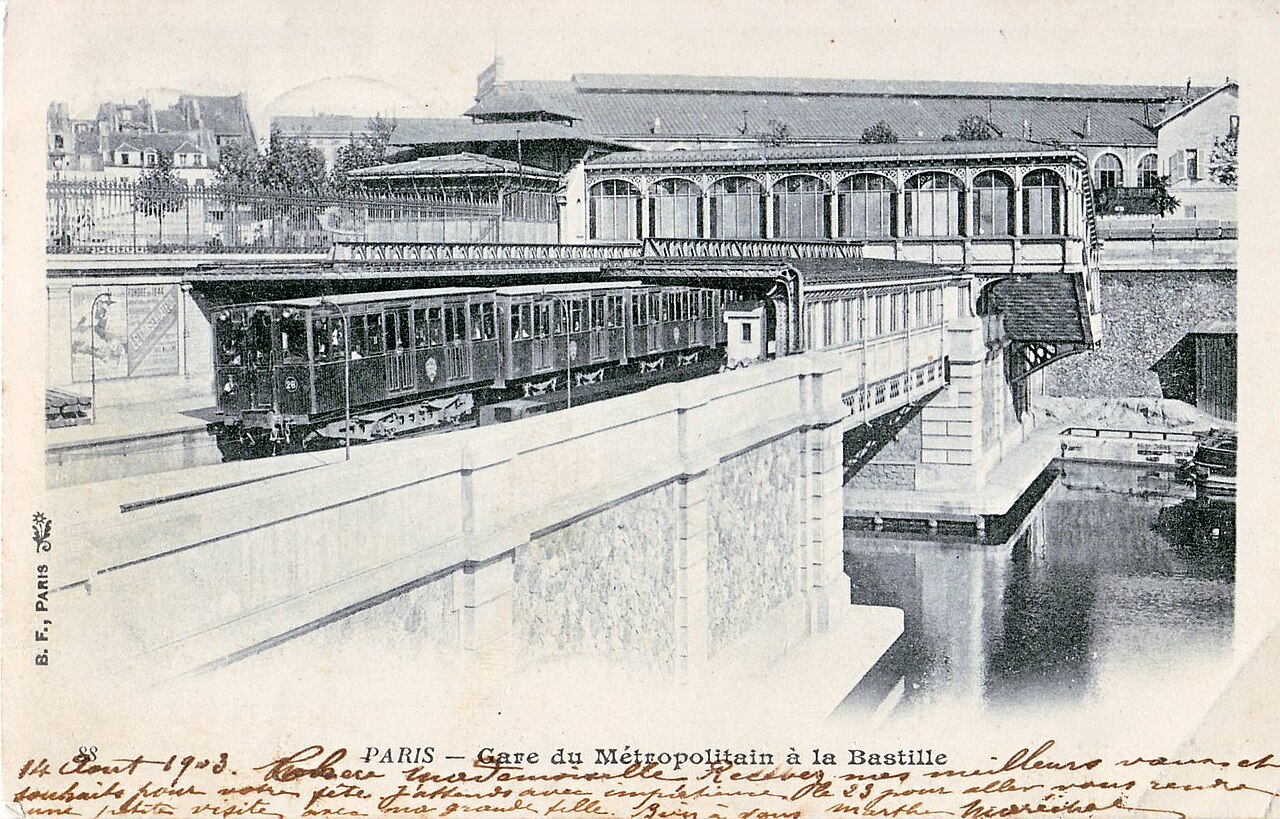
Revolutionary history meets contemporary nightlife around the column marking where the prison fell on July 14, 1789. The 11th and 12th arrondissements converge at Place de la Bastille, creating one of Paris's most dynamic intersections. The Opéra Bastille (1989) brought world-class performance to the working-class east. Rue de Lappe and Rue de la Roquette anchor nightlife with clubs, bars, and restaurants serving diverse crowds. The Marché d'Aligre (since 1779) provides Paris's most authentic market experience. The Coulée Verte—elevated park on former railway—pioneered the concept later copied by New York's High Line.
Neighborhood Stats
Popular With
- Night Owls
- Young Professionals
- Market Lovers
- Opera Goers
- Creatives
Key Attributes
- Revolutionary History
- Nightlife
- Market
- Opera
- Young Energy
Food Scene
Septime (80 Rue de Charonne) earned Michelin stars and international acclaim for neo-bistro excellence. Le Chateaubriand (129 Avenue Parmentier) pioneered neo-bistro movement. Le Baron Rouge (1 Rue Théophile Roussel) serves wine straight from barrels alongside market traders. Marché d'Aligre offers produce, cheese, and takeaway from North African vendors. Paul Bert (18 Rue Paul Bert) masters classic bistro cooking.